−∞dB
Set the level
Pitch
Founders bring a story with a pulse — not a finished plan, a conviction. The studio greenlights the ones worth amplifying and pairs each with editorial, product, and business mentorship.
Now Greenlighting
Issue Zero
2026 Cohort
Volume.Zero is a studio where student founders pitch a story, build it into a real media venture, and take it to Vol.ø — the first issue, live and on the record.
The old model graduated students. The new one greenlights ventures. You don't enroll in Volume.Zero — you pitch your way in, and you leave with something that ships.
Before — the syllabus
Sixteen weeks of modules and readings
SyllabusAssignments, graded and shelved
SyllabusA capstone that ends when the term does
SyllabusOne reference class: the adjunct-led seminar
SyllabusNow — the studio floor
Pitch a story worth launching — and get greenlit
StudioBuild it into a media venture, formed as an LLC
StudioShip Vol.ø — a real title, with real readers
StudioKeep the company. It outlives the cohort.
StudioScroll →
One idea runs through the whole studio: a story starts at zero volume and earns its way up. Each phase turns the level higher until the signal is loud enough to publish.
Set the level
Founders bring a story with a pulse — not a finished plan, a conviction. The studio greenlights the ones worth amplifying and pairs each with editorial, product, and business mentorship.
Cut the noise
In the studio, the story becomes a venture: reporting sharpened, audience named, revenue modeled, entity formed as an LLC. Every week strips away what isn't signal.
On the record
The inaugural issue ships — public, sourced, and owned by the founder. Zero becomes one. What was a pitch is now a title with a first reader and a next deadline.
One room, three desks — editorial, product, business. Founders rotate between them until the story, the venture, and the audience are all telling the same thing.
Desk 01 · Editorial
“Strip the sentence until only the signal is left.”
Desk 02 · Build
Desk 03
Business
Model the venture so the voice outlives issue one.
Volume isn't more words — it's fewer, louder ones. These are the rules the studio uses to raise the signal-to-noise ratio of every piece before it reaches Vol.ø.
Every story sits on a flat baseline of received wisdom. Signal is only what rises above it. Name the baseline first, then measure everything against it.
Trend-chasing, both-sides padding, filler "context" that's really hedging. Noise hides behind good intentions. Label each kind out loud — it's far easier to delete once it has a name.
Loudness comes from compression. Every cut raises the level of what remains. If two sentences say the same thing, the quieter one goes.
Remove a paragraph. If the heartbeat still beats, it was noise. A story should fail loudly the moment you take out something that matters.
Signal is verifiable; noise is vibes. Anchor every claim to a person, a document, or a number. Unsourced volume is just static turned up.
Reach and resonance beat word count. One line that travels is louder than a feature that doesn't. Optimize for the reader who repeats you.
Reaching Vol.ø isn't about finishing — it's about shipping the first honest signal. These principles govern how the studio moves a story from pitch to published.
A story earns Vol.ø when someone's conviction is inside it. The studio greenlights heartbeat over polish — plans can be built, pulse can't be manufactured.
Vol.ø is not the finished product; it's the first thing loud enough to be heard. Publish before it feels safe — the audience finishes what the studio starts.
A venture built for everyone reaches no one. Picture one person you can name and make Vol.ø impossible for them to ignore. Scale is a later problem.
Model, LLC, and distribution aren't separate from the journalism — they're how the signal survives past issue one. Build the vehicle that carries the voice.
A date makes a story real. The studio runs on ship dates, not semesters — the calendar is what turns intention into a published Vol.ø.
Everything at Vol.ø is public, sourced, and owned by the founder. No practice rounds, no throwaways — the first issue is a real entry in the record.
The Mentors
Editors, founders, and builders who've spent careers at the intersection of storytelling and business — here for direct relevance, not celebrity.
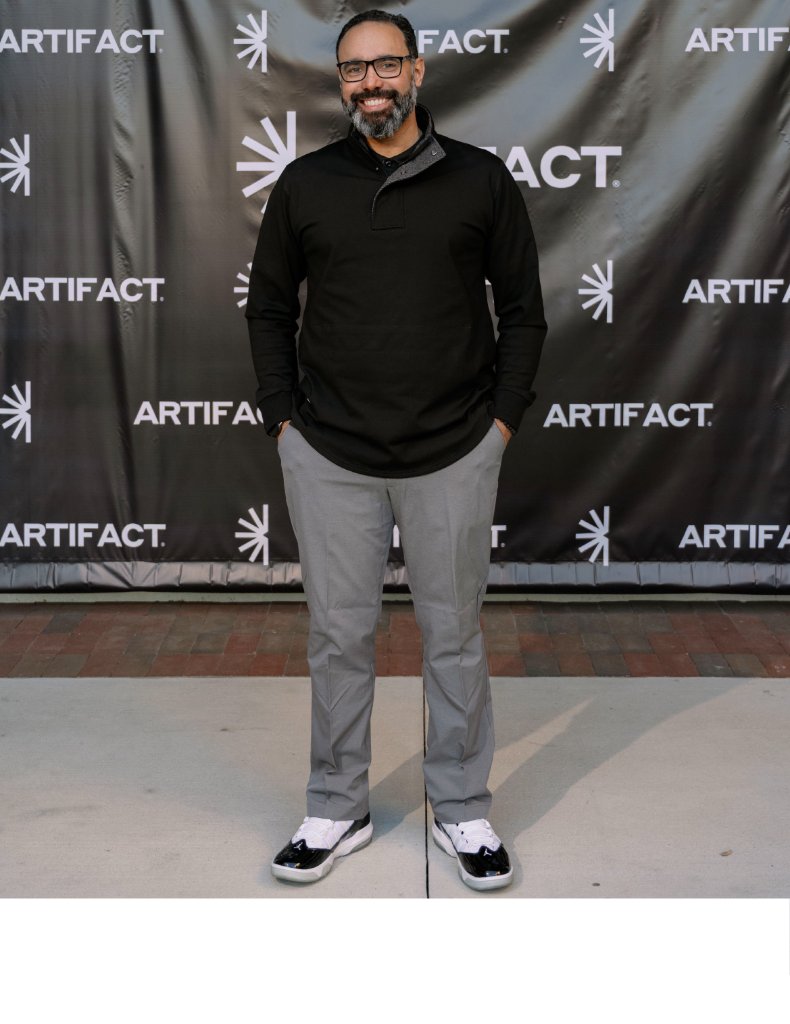
Business Storytelling
ARTIFACT® · Co-Founder, Volume.Zero
Co-Founder of Volume.Zero and an accomplished entrepreneur with deep expertise in business strategy, entrepreneurship, and neurodiversity-focused innovation. He builds ventures that unlock human potential through inclusive approaches to hiring and organizational culture.
“Business strategy, neurodiversity, and venture building”
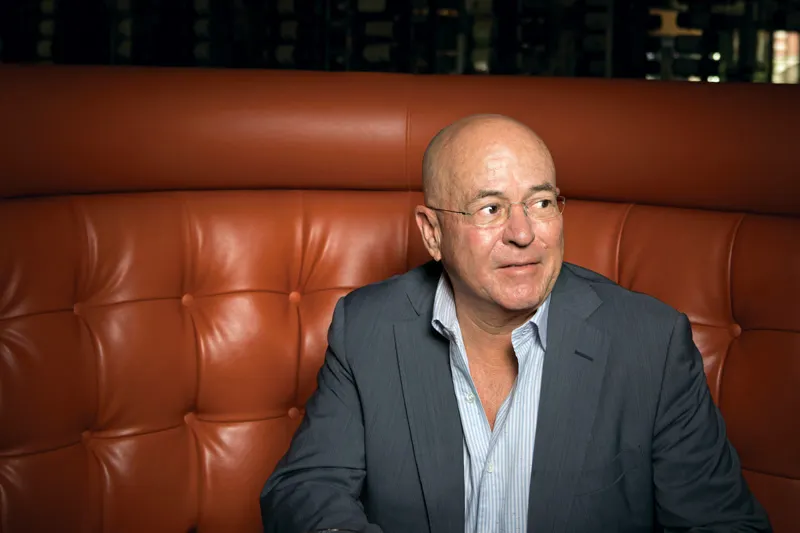
Editorial Voice
Esquire (former Editor-in-Chief)
Editor-in-Chief of Esquire for 19 years (1997–2016), where he revamped a fading men's magazine into a 17-time National Magazine Award winner. Previously a senior editor at GQ, Granger is one of the most celebrated magazine editors of his generation.
“Magazine editing, long-form narrative, and award-winning journalism”
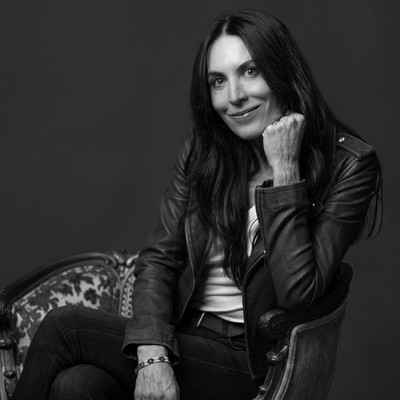
Editorial Voice
Success Magazine · Co-Founder, Volume.Zero
Editor-in-Chief of Success Magazine and former VP and Editor-in-Chief of Entrepreneur Magazine. One of the most prominent voices in global entrepreneurship, she shaped how a generation of founders understood what it means to build something from nothing.
“Entrepreneurship media, editorial transformation, and founder culture”

Business Storytelling
UNC Kenan-Flagler Business School
Ted Zoller is the T.W. Lewis Distinguished Clinical Professor of Strategy and Entrepreneurship at UNC Kenan-Flagler Business School and one of the most respected entrepreneurship educators in the United States. For more than two decades, he has sat at the intersection of academic rigor and real-world venture creation — building programs, networks, and research frameworks that have shaped thousands of entrepreneurs across the country. Zoller served as Director of the Entrepreneurship Center at UNC Kenan-Flagler for 15 years, where he built a portfolio of landmark programs including Startup-UNC, the Launch Chapel Hill Accelerator, the Adams Apprenticeship, and the BLUE Live-Learn Entrepreneurship Community. His pedagogical model — Learn, Launch, Lead — has been adopted by accelerators and entrepreneurship programs internationally. His flagship longitudinal research project, the Entrepreneur's Genome, investigates the patterns of high-performing entrepreneurial leaders and forms the backbone of his "On the Heels of Innovation" podcast and his Entrepreneur's Lab course. His 6M Venture Circuit© framework has been standardized across UNC Kenan-Flagler's venture creation programs and implemented in accelerators globally. Zoller is a Senior Fellow at the Ewing Marion Kauffman Foundation and the Global Federation of Competitiveness Councils, and has collaborated with the Blackstone Foundation to implement entrepreneurial networks nationally through the Blackstone Entrepreneurs Network. He founded CommonWeal, a global business intelligence advisory firm, and is founder and chairman of the board of AMBit, which facilitates public use of private lands. In 2025, he received the Karl Vesper Pioneer Award — one of the highest honors in entrepreneurship education — recognizing his passion, perseverance, and decades-long impact on the field. He is a Justin T. Longnecker Fellow of the United States Association for Small Business and Entrepreneurship, and has received the Legacy Award from the Global Consortium of Entrepreneurship Centers and the Outstanding Contributions to Advancing Innovation Award from the Deshpande Foundation. Zoller holds a PhD from UNC-Chapel Hill, master's degrees from the Maxwell School at Syracuse University and the University of Virginia, and a dual bachelor's degree from the College of William & Mary.
“Entrepreneurship is not a destination — it's a practice. The founders who build lasting ventures are the ones who learn to read their networks, act before certainty, and find the story in the data that others miss.”